Spiritual Significance
The Sacred 8 Swayambhu Ganeshas of Maharashtra
In Sanatan Dharma, the Ashtavinayak Yatra holds an exalted status. Each of the eight idols is 'Swayambhu' (self-originated naturally, not sculpted by human hands), and each possesses its own sacred lore and unique iconographic form with trunks turned to the left or right.
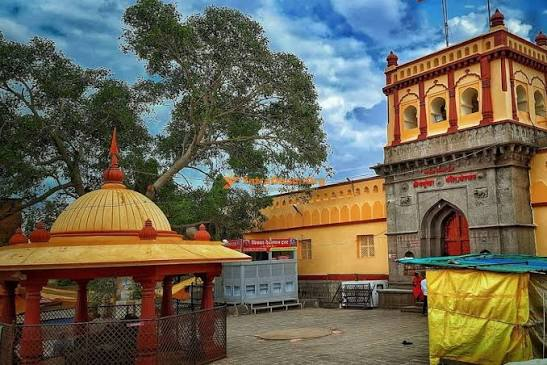 Temple 1 & Conclusion
1. Shri Mayureshwar (Morgaon)
The foremost temple where the yatra begins and ends. Lord Ganesha here is riding a peacock (Mayur) and defeated the demon Sindhu. The temple resembles a medieval stone fortress with four minarets.
Pune District
Peacock Vahana
Fortress Architecture
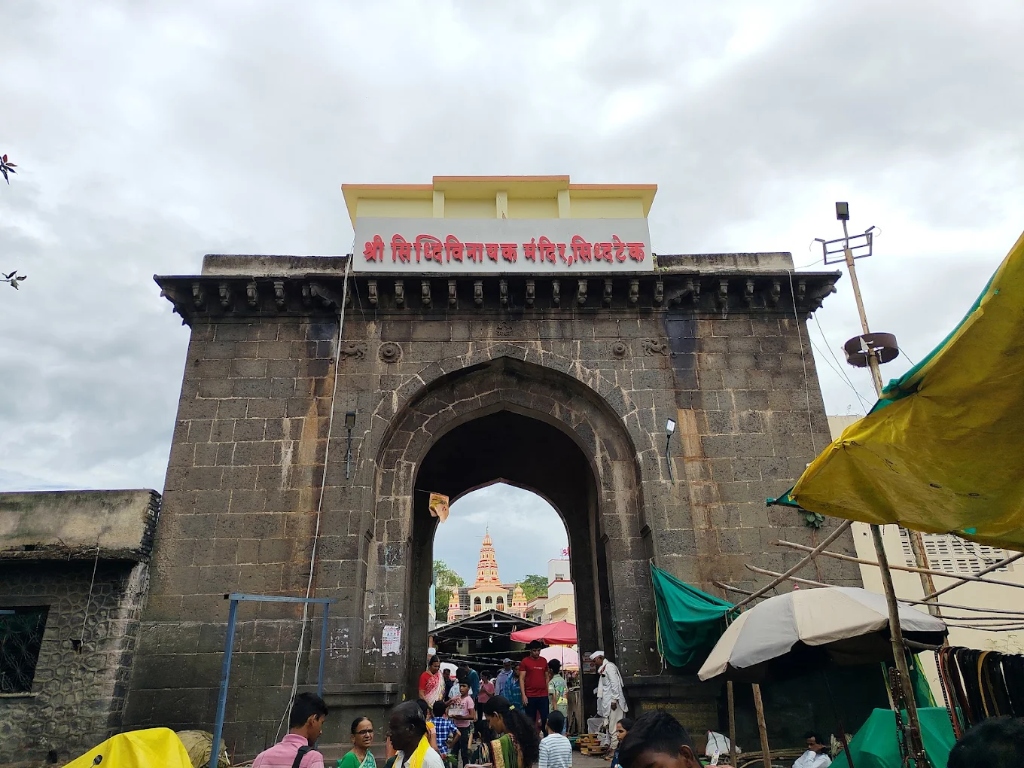 Right-Turn Trunk (Siddhi)
2. Shri Siddhivinayak (Siddhatek)
Situated on a tranquil hillock beside the Bhima river in Ahmednagar district. Lord Vishnu propitiated Ganesha here to attain 'Siddhi' before slaying the demons Madhu and Kaitabha. The trunk turns right.
Ahmednagar
Bhima River
Right Trunk
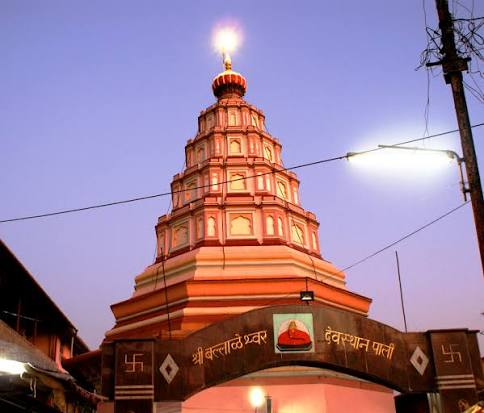 Named After a Devotee
3. Shri Ballaleshwar (Pali)
The only Ganesha incarnation named after his dedicated child-devotee, Ballal. Nestled between the historic Sarasgad fort and the Amba river in Raigad. Features an enormous historical chiming bell.
Raigad District
Devotee Ballal
Heritage Bell
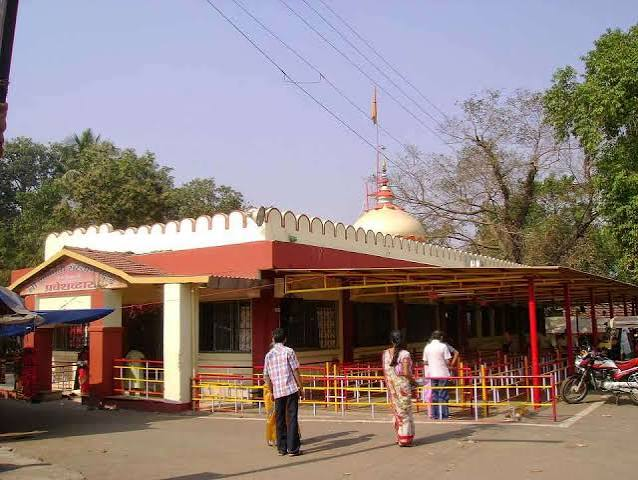 Grantor of All Boons
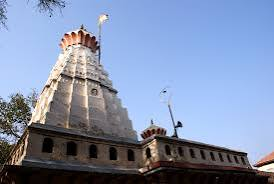
4. Shri Varadvinayak (Mahad)
The bestower of boons and success (Varada). Devotees are permitted to personally enter the sanctum sanctorum and touch the idol. The eternal oil lamp (Nandadeep) here has burned continuously since 1892.
Raigad District
Eternal Nandadeep
Direct Garbhagriha Entry
 Remover of Worries
5. Shri Chintamani (Theur)
Located at the holy confluence of the Mula, Mutha, and Bhima rivers. Lord Ganesha retrieved the wish-fulfilling jewel (Chintamani) here for sage Kapila from prince Gana. Known for soothing all mental anxieties.
Pune District
Peshwa Heritage
River Confluence
 Mountain Cave Shrine
6. Shri Girijatmaj (Lenyadri)
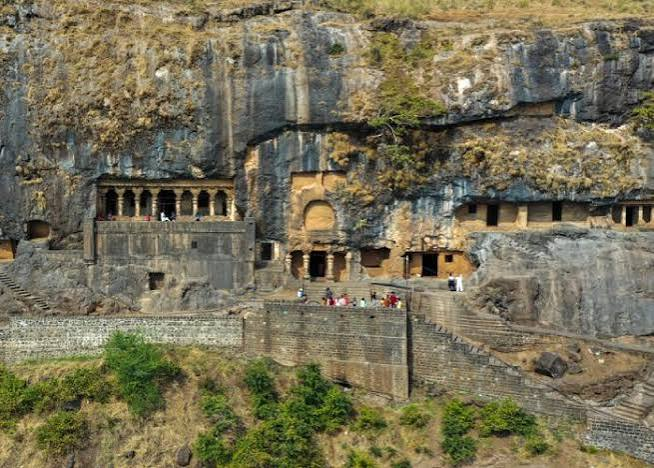
Carved out of a massive rock cliff within Cave 7 of the ancient Buddhist Lenyadri rock caves. Reached by climbing approximately 307 stone steps overlooking the scenic Kukadi river valley in Junnar.
Junnar, Pune
307 Stone Steps
Natural Cave
 Remover of Obstacles
7. Shri Vighnahar (Ozar)
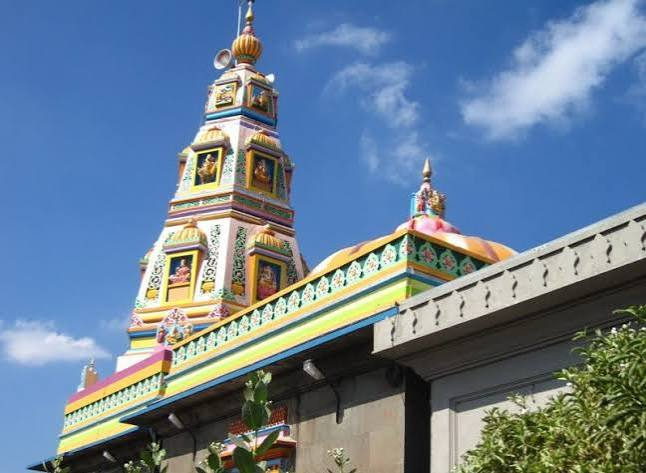
Surrounded by fortified walls on the banks of the Kukadi river with an imposing golden shikhara. Ganesha subdued the demon of obstacles, Vighnasura, who surrendered and requested his name precede Ganesha's.
Junnar, Pune
Golden Shikhara
Deepstambhas
 Lord Shiva's Invocation
8. Shri Mahaganapati (Ranjangaon)
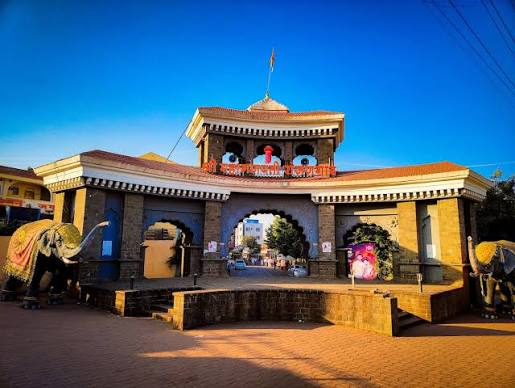
Lord Shiva invoked this ferocious 10-trunk, 20-armed manifestation of Ganesha before destroying Tripurasura. The temple is designed so the rays of the setting sun fall directly upon the idol during solstices.
Pune-Nagar Highway
Tripurasura Slayer
Sun Ray Alignment
Recommended 3 Days / 2 Nights Ashtavinayak Itinerary from Sambhajinagar
Our carefully planned route avoids backtracking and ensures smooth highway driving with ample time for peaceful darshan and puja at each shrine:
Day 1: Chhatrapati Sambhajinagar Departure → Siddhatek → Morgaon → Theur (Overnight Pune/Hadapsar)
Early morning 5:30 AM pickup from your home or hotel. Drive to Siddhatek (Siddhivinayak). Next, proceed to Morgaon (Mayureshwar) to commence the formal yatra. In the afternoon, visit Theur (Chintamani). Check into hotel in Pune or Hadapsar for relaxing dinner and overnight rest.
Day 2: Mahad → Pali → Lenyadri Cave Temple (Overnight Junnar/Ozar)
Morning drive across the Western Ghats to Mahad (Varadvinayak) with Garbhagriha darshan. Proceed to Pali (Ballaleshwar). Post lunch, drive through scenic Sahyadri landscapes to Lenyadri (Girijatmaj) for the cave climb and magnificent valley sunset. Overnight stay near Junnar or Ozar.
Day 3: Ozar → Ranjangaon → (Optional Morgaon Conclusion) → Sambhajinagar Return
Morning holy abhishek at Ozar (Vighnahar) by the Kukadi river. Proceed to Ranjangaon (Mahaganapati) on the Pune-Nagar highway. Conclude the circuit with optional final darshan at Morgaon or head directly back to Chhatrapati Sambhajinagar with evening drop at your doorstep.